What SOIL TEST can I get?
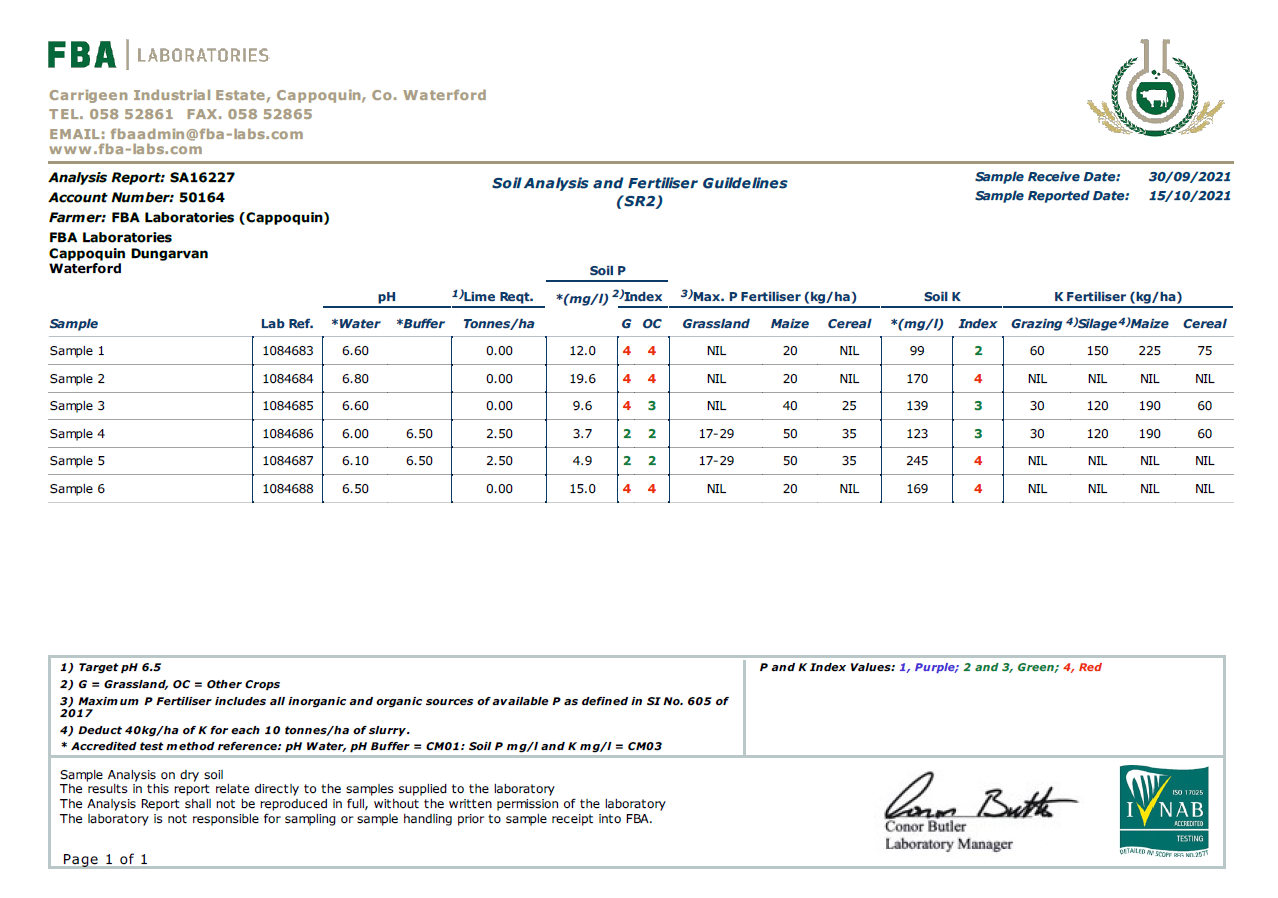
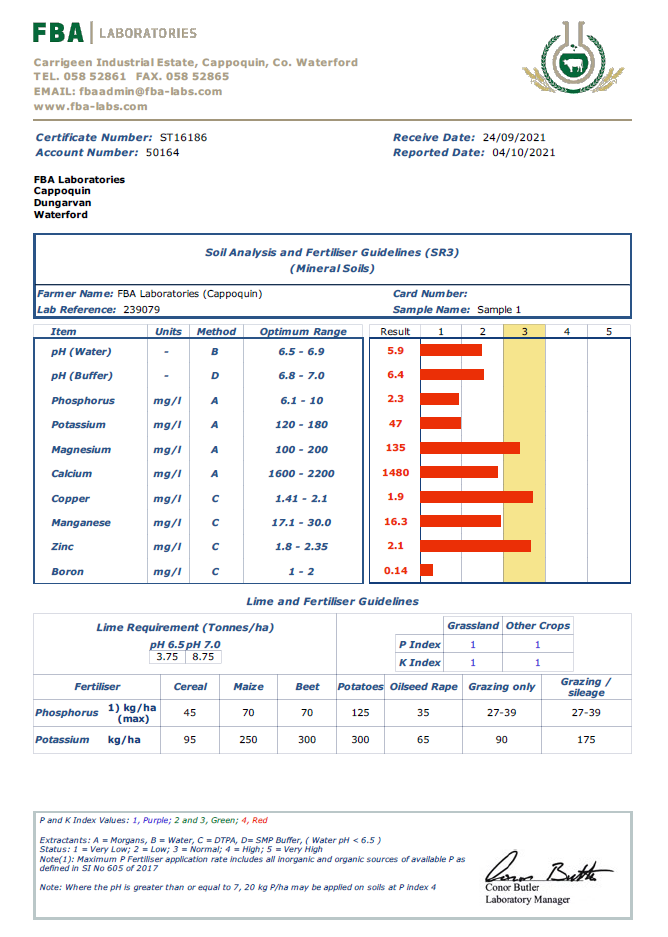
Basic soil test with guidance on crop utilisation based on results
Is a set of various chemical processes that determine the amount of available plant nutrients in the soil
Full soil testing for pH, carbon / nitrogen ratio, organic matter, cadmium, chromium, copper zinc, nickel, lead and mercury analysis with results analysis and usage guidance for standard crops
Tests for the presence of harmful metals in soils and can help inform safer growing practices that limit contact with soils with high levels of metals
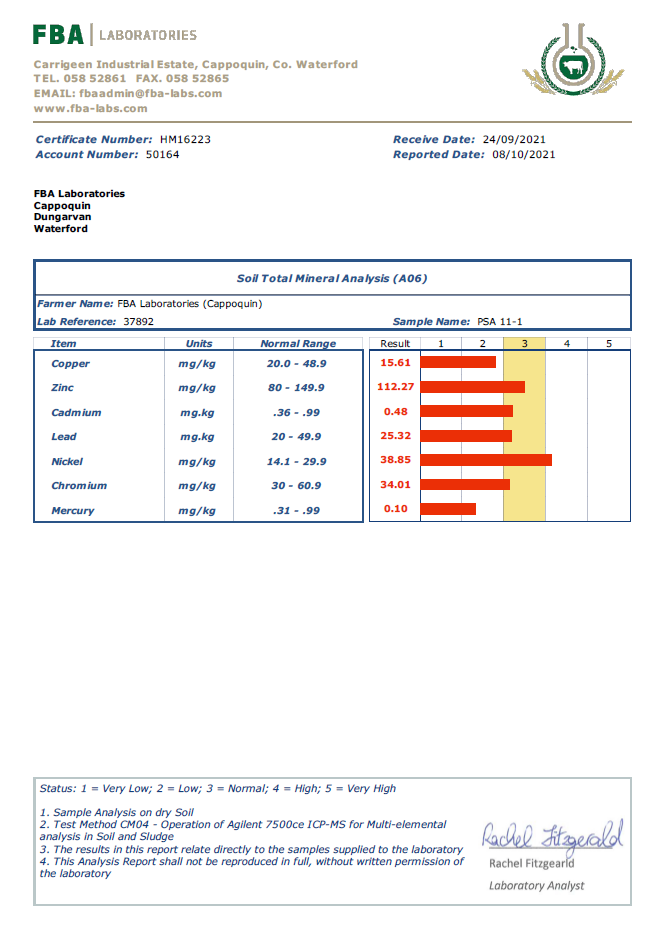
Helps to evaluate soil fertility and overall soil health
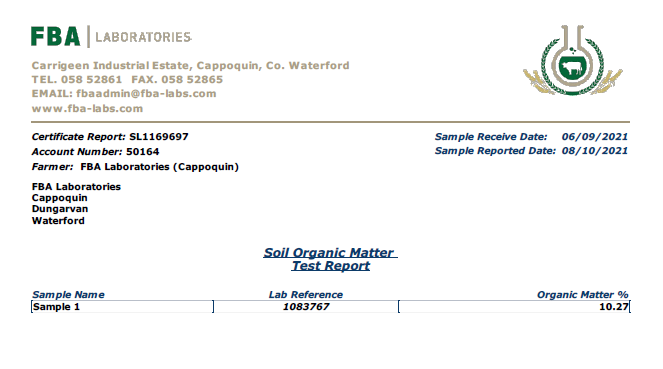
Total Carbon, Total Organic Carbon, Total Nitrogen, and Carbon : Nitrogen Ratio.
SPECIAL PROJECTS
Solvita® Soil Tests capture key biological, chemical and physical traits indicating soil health functions
Soil Biological Forces interact with soil weathering to form a cornerstone of productivity and stable yields. A common feature of the soil-plant system is soil-dwelling organisms – bacteria, fungi, animals – expressing their activity and mass by metabolism – the consumption of litter and detritus and release of respired carbon as CO2. This is nature’s natural cycle.
For more information, visit: https://solvita.com
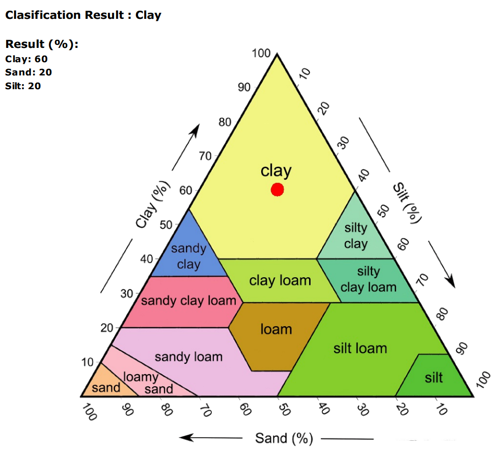
Soil texture (such as loam, sandy loam or clay) refers to the proportion of sand, silt and clay sized particles that make up the mineral fraction of the soil.
For example, light soil refers to a soil high in sand relative to clay, while heavy soils are made up largely of clay.
Texture is important because it influences:
- the amount of water the soil can hold
- the rate of water movement through the soil
- how workable and fertile the soil is
For more information, visit: https://www.qld.gov.au/environment/land/management/soil/soil-properties/texture